App Interface Designs and Their Impact on Payment Reliability Across International Licensing Regimes
Riley Albrecht · Nov 5, 2026
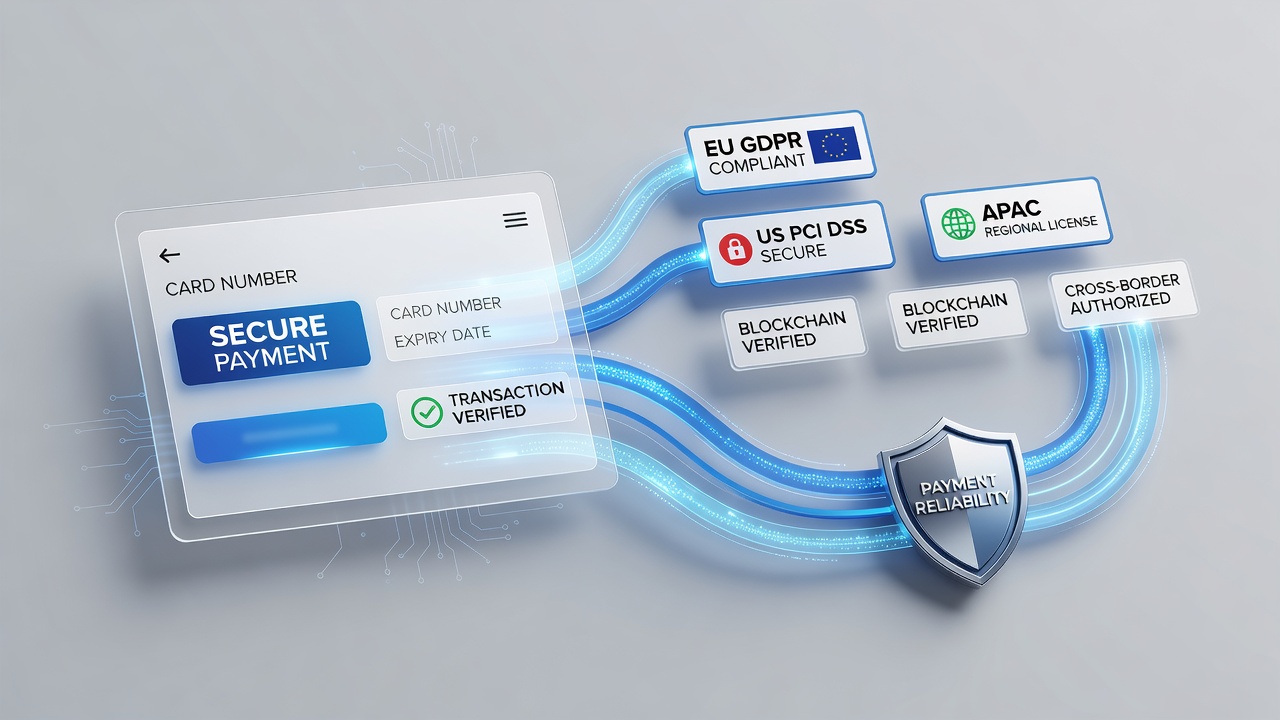
App Interface Designs and Their Impact on Payment Reliability Across International Licensing Regimes
App interface designs play a direct role in how payment systems perform under the licensing rules that differ from one jurisdiction to another, and researchers tracking these systems note consistent patterns across markets. Those who study digital wagering platforms observe that layout choices, navigation flows, and confirmation steps often determine whether transactions clear without interruption when operators must meet standards set by bodies such as the Malta Gaming Authority or the Nevada Gaming Control Board.
Data from industry reports indicate that streamlined checkout sequences reduce failed payment attempts by measurable margins, while cluttered screens correlate with higher abandonment rates in regions that enforce strict anti-money-laundering protocols. Observers note that these effects appear because licensing regimes require specific audit trails and user verification layers, and interface elements must accommodate those layers without creating friction that stalls transfers.
Core Interface Elements That Support Transaction Stability
Payment reliability begins with elements such as visible balance indicators, one-tap deposit buttons, and clear error messaging that guide users through required steps. Experts at research institutions have documented cases where apps using progressive disclosure, showing only necessary fields at each stage, achieve higher completion rates when operating under Canadian provincial rules that mandate real-time identity checks. In contrast, interfaces that bury confirmation screens behind multiple taps tend to trigger timeouts during peak periods in markets like Australia where the Australian Communications and Media Authority oversees transaction logging.
Designers incorporate color-coded status indicators and progress bars because these visual cues help users understand when a licensing-mandated review is underway, and studies from European academic sources show reduced retry loops when such feedback appears immediately. The same research reveals that apps lacking these cues experience elevated support ticket volumes, especially when cross-border users encounter varying Know-Your-Customer thresholds.
How Licensing Variations Shape Required Design Features
Global licensing frameworks impose distinct technical and procedural demands that interface teams must embed into the user experience. In jurisdictions with segmented licensing for sports and casino products, separate wallet modules appear within the same app so that funds remain isolated according to each license category. Regulators in several U.S. states require geofencing indicators that display on-screen during deposit and withdrawal sequences, and developers integrate these indicators as persistent banners rather than pop-ups to avoid disrupting the payment path.
November 2026 brought updated reporting deadlines in multiple European markets that forced operators to surface transaction history filters directly in the main dashboard, and companies that had already placed these filters in secondary menus faced brief compliance adjustments. Those adjustments included moving the filters to the primary navigation bar, which in turn improved user access to records that licensing audits now request more frequently.
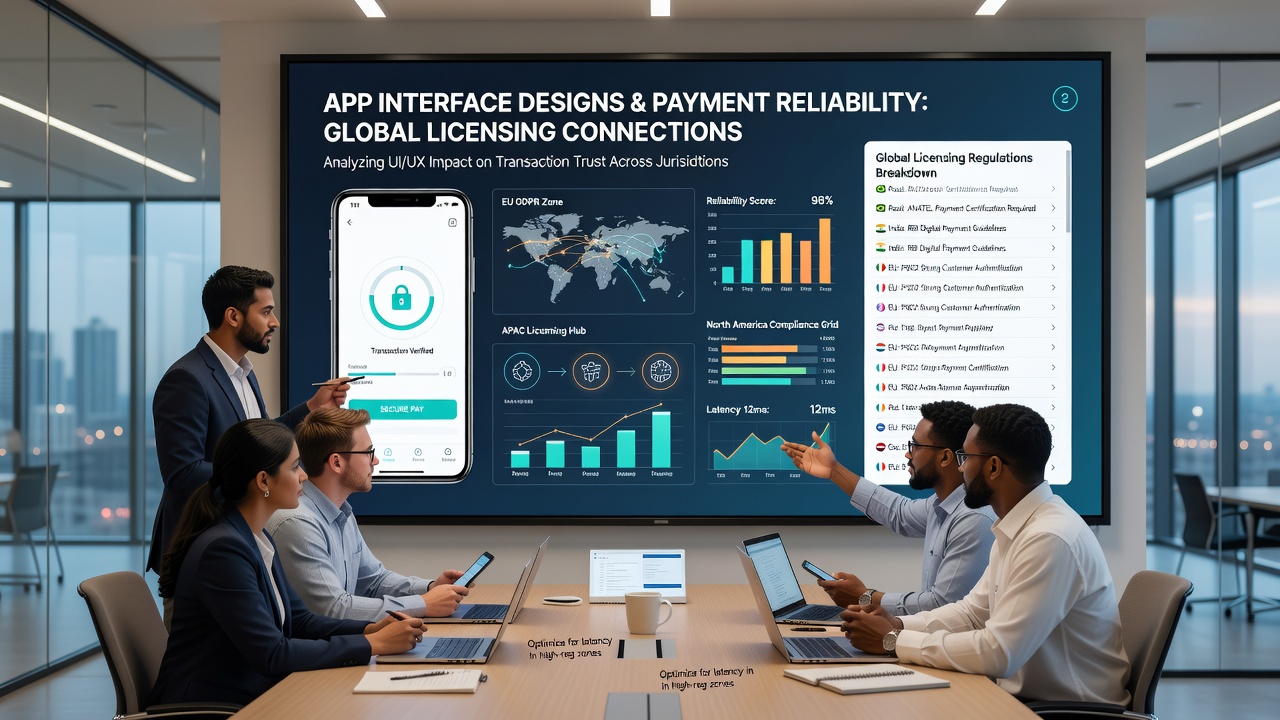
Observers point out that interface teams working across multiple licenses often maintain modular design systems so that region-specific components can activate without rebuilding the entire app. This approach keeps core payment rails intact while allowing localized overlays that satisfy each authority's documentation needs.
Evidence Linking Design Choices to Payment Outcomes
Figures compiled by trade associations such as the European Gaming and Betting Association show that apps with unified payment hubs, where deposits and withdrawals sit on one screen, report fewer reconciliation discrepancies than those that route users through separate portals. The difference traces back to fewer navigation errors and fewer instances of users initiating duplicate requests that licensing systems flag for review.
One analysis of platform data from operators active in both North American and Asian markets found that interfaces displaying real-time currency conversion alongside local license disclaimers experienced lower chargeback rates. The same analysis noted that disclaimers positioned near the confirm button, rather than in footers, produced clearer user acknowledgment records that satisfied audit requirements in those jurisdictions.
Case examples include platforms that introduced biometric confirmation buttons at the final payment stage; adoption of these buttons coincided with faster settlement times in regions that allow such methods under their current licensing terms. Platforms that delayed rollout until after regulatory approval saw temporary spikes in manual verification requests until the new flow became standard.
Conclusion
Interface architecture therefore functions as an operational bridge between user actions and the compliance obligations embedded in each license. Data gathered across markets demonstrate that deliberate placement of verification steps, status indicators, and transaction filters directly influences how reliably payments process when operators navigate diverse regulatory environments. Continued monitoring by research groups and trade bodies will track whether further refinements in layout continue to align with evolving licensing expectations through the remainder of 2026 and beyond.