Authentication Mechanisms Controlling Entry to Incentive Programs in Electronic Betting Channels
Yves Wagner · Oct 22, 2026
Authentication Mechanisms Controlling Entry to Incentive Programs in Electronic Betting Channels
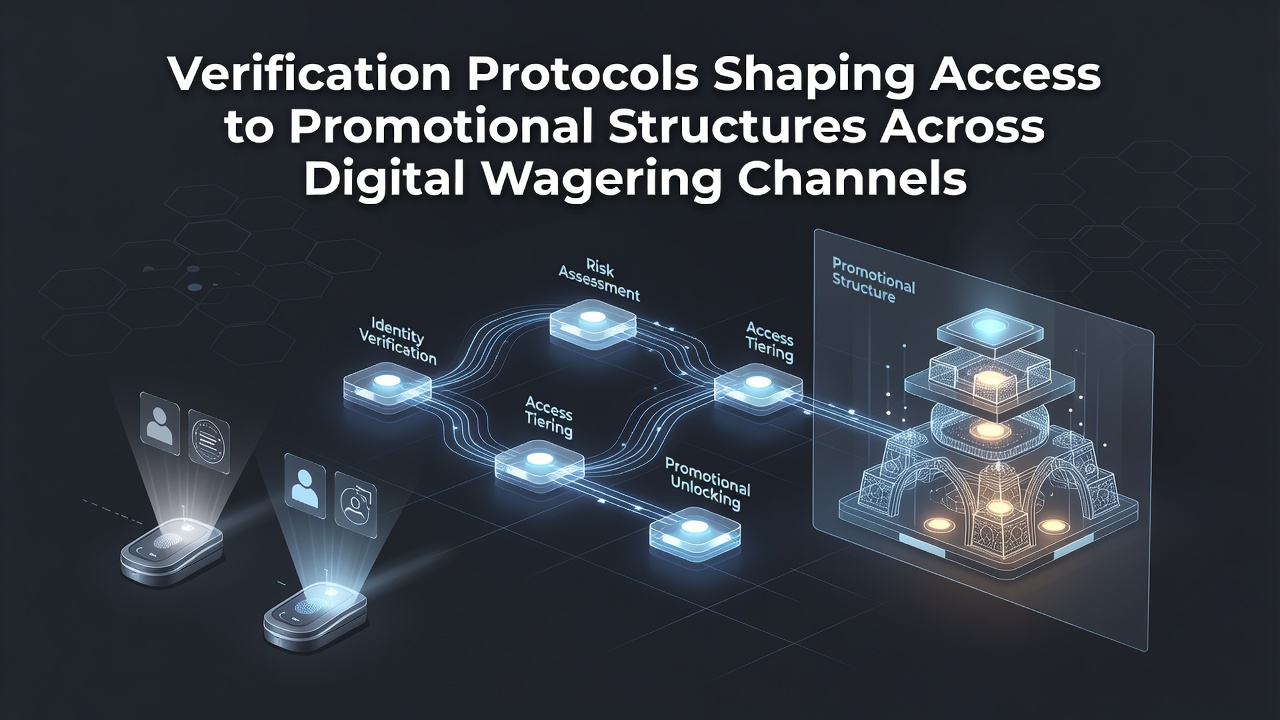
Verification protocols have become central gatekeepers for promotional access in digital wagering environments where platforms must balance regulatory compliance with user eligibility checks before releasing bonuses or rewards. These systems typically require users to submit identification documents, proof of address, and sometimes biometric data, after which automated processes cross-reference the information against databases maintained by government agencies and third-party providers. Data from October 2026 indicates that operators in multiple jurisdictions now integrate these steps directly into account creation flows, meaning new users encounter verification prompts before any promotional structures become visible or claimable.
Core Components of Verification Workflows
Standard procedures include initial identity confirmation through government-issued documents followed by ongoing monitoring that flags discrepancies in user activity or location data. Platforms often employ optical character recognition tools to scan uploads in real time while connecting to credit bureaus or national registries for address validation. In regions with layered licensing requirements, operators must also satisfy specific conditions set by local regulators before allowing promotional redemptions, which creates variation in how quickly users gain access across different markets.
One study released in late 2026 by researchers at a Canadian academic institution examined transaction patterns and found that accounts passing verification within the first 24 hours showed higher rates of bonus utilization compared to those delayed by additional manual reviews. These delays frequently stem from mismatches in provided details or incomplete submissions that trigger secondary checks by compliance teams.
Jurisdictional Differences in Protocol Application
Regulatory bodies across North America and Europe impose distinct timelines and documentation thresholds that directly affect promotional availability. The New Jersey Division of Gaming Enforcement requires operators to complete verification before any deposit-linked incentives can be activated, whereas certain Australian state frameworks allow limited trial access to non-cash promotions pending full approval. Observers note that these variations lead platforms to maintain separate user flows tailored to each licensed territory, which in turn influences how quickly promotional structures appear in mobile applications or desktop interfaces.
Industry reports compiled by the European Gaming and Betting Association highlight that cross-border operators have invested in unified verification platforms capable of routing checks through the appropriate regional database based on detected user location. This approach reduces redundant submissions while ensuring compliance remains intact when users travel or switch devices.
What's interesting here is how these protocols intersect with promotional design itself. Many operators structure tiered bonuses that unlock only after verification milestones are met, such as initial deposits following address confirmation or higher-value rewards requiring source-of-funds declarations. In October 2026 several major platforms adjusted their terms to tie promotional expiration dates to verification completion windows, ensuring users complete checks promptly or forfeit eligibility.

Impact on User Access Patterns
Research indicates that streamlined verification correlates with increased engagement in promotional activities, while friction points such as repeated document requests reduce completion rates. Platforms have responded by incorporating live chat support during the upload process and offering temporary promotional holds that activate automatically once verification succeeds. Data tracking from multiple operators shows that users who encounter clear progress indicators during verification tend to return and complete the process at higher rates than those facing opaque timelines.
Additional layers appear when promotions involve referral bonuses or loyalty rewards, where both the referring and referred accounts must pass verification thresholds before credits are released. This creates interconnected eligibility chains that can extend the time between initial registration and actual access to the promotional structure.
Technological Advancements in Protocol Efficiency
Advances in artificial intelligence have allowed platforms to reduce manual review volumes by training models on historical verification outcomes, enabling faster approvals for low-risk profiles. Biometric options including facial recognition and fingerprint matching now supplement traditional document checks in several markets, providing an additional layer that speeds confirmation while maintaining security standards. Observers have documented cases where these tools cut average verification times from several hours to under 30 minutes during peak registration periods in October 2026.
Yet challenges persist around data privacy and cross-system compatibility, particularly when users operate across multiple devices or jurisdictions with differing retention rules. Operators continue refining these systems to minimize drop-off while satisfying audit requirements from oversight bodies.
Conclusion
Verification protocols continue to define the boundary between registration and promotional participation across digital wagering channels, with outcomes shaped by regulatory mandates, technological capabilities, and operational choices made by individual platforms. Patterns observed through October 2026 demonstrate ongoing adaptation as operators seek to balance access speed against compliance obligations in an evolving landscape.