Licensing Requirements Shape the Range of Payment Solutions in Mobile Sports Wagering Platforms
Olivia Günther · Oct 8, 2026
Licensing Requirements Shape the Range of Payment Solutions in Mobile Sports Wagering Platforms
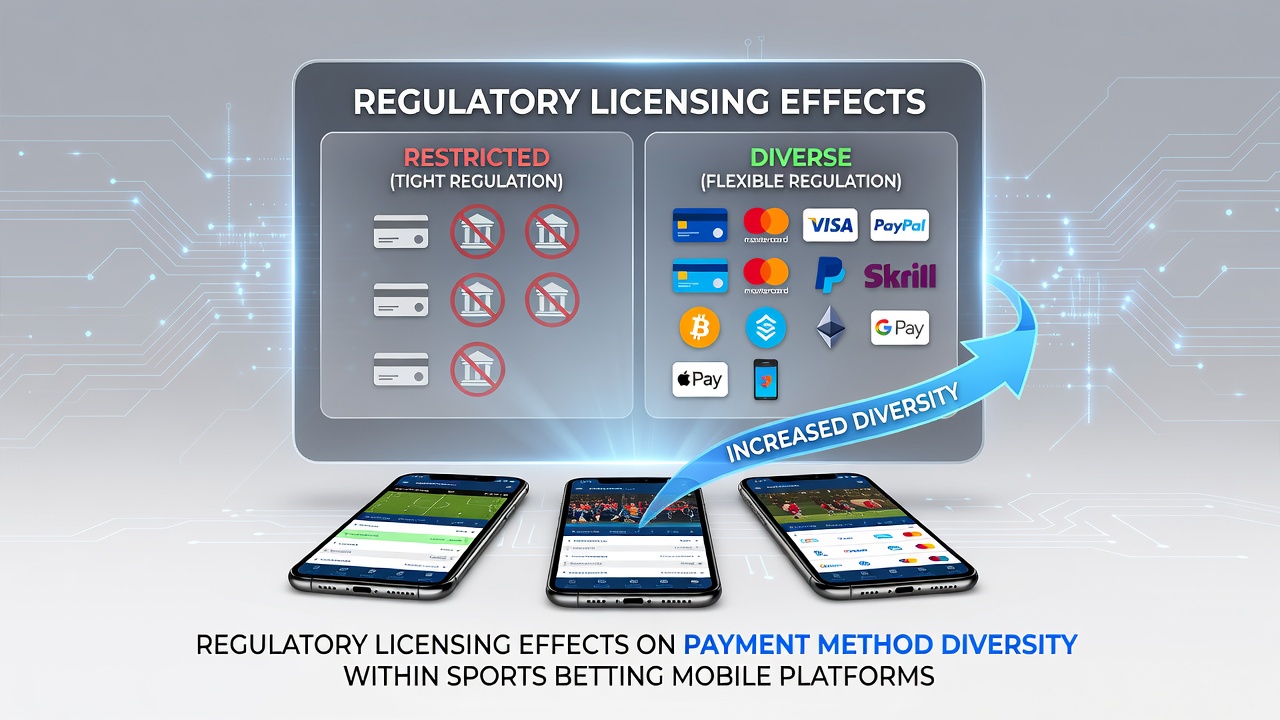
Regulatory licensing plays a central role in determining which payment methods operators can offer through sports betting mobile platforms, and variations across jurisdictions create distinct patterns in available options. States and countries issue licenses that spell out permitted transaction types, security standards, and provider approvals, which in turn limits or expands choices such as credit cards, bank transfers, e-wallets, and digital currencies. Observers note that these rules often reflect broader policy goals around consumer protection and financial oversight, producing measurable differences in what users encounter on their devices.
Data from multiple regions shows that single-jurisdiction licenses tend to restrict payment diversity compared with multi-license arrangements. In the United States, for example, each state maintains its own gaming control board or commission that sets transaction guidelines, leading to inconsistent menus of deposit and withdrawal methods across state lines. Platforms operating under licenses from Nevada and New Jersey must comply with separate banking and anti-money-laundering protocols that favor established financial institutions while excluding certain alternative options. Similar patterns appear in Canadian provinces where provincial regulators enforce distinct lists of approved processors.
Key Licensing Elements Affecting Payments
Licenses typically address several specific areas that directly influence payment method availability. These include requirements for processor vetting, transaction speed limits, fee transparency rules, and data encryption standards. Operators must demonstrate that each payment channel meets these criteria before inclusion on mobile apps, which adds time and cost to expanding options. Researchers tracking platform updates in October 2026 recorded slower rollout of new methods in tightly regulated markets compared with regions that allow broader experimentation under umbrella licenses.
Security mandates also shape outcomes. Jurisdictions that require on-shore data storage or specific audit trails often limit support for cryptocurrency wallets because those systems operate outside conventional banking rails. In contrast, licenses that accept third-party compliance certifications open doors to a wider set of e-wallet and instant transfer services. Figures from industry reports indicate that platforms holding licenses in multiple European Union member states maintain higher average numbers of payment integrations than those limited to single markets.
Regional Differences in Payment Diversity
Payment method variety varies sharply by licensing regime. Markets with centralized national licensing, such as those overseen by Malta or the Alcohol and Gaming Commission of Ontario, generally support more uniform and diverse sets of options across operators. These frameworks allow platforms to standardize integrations while still meeting local consumer safeguards. In the United States, fragmented state-level licensing produces greater variation, with some states permitting only a handful of traditional banking methods and others authorizing additional digital channels after separate reviews.
One study of mobile app updates during 2026 found that operators active in three or more U.S. states averaged fewer payment methods per platform than those holding licenses in two Canadian provinces and one European jurisdiction. The difference stems from overlapping compliance burdens that discourage rapid addition of new processors. Data indicates that platforms in these multi-jurisdiction setups also update their payment lists more frequently when regulatory changes occur.
Impact on Mobile Platform Development
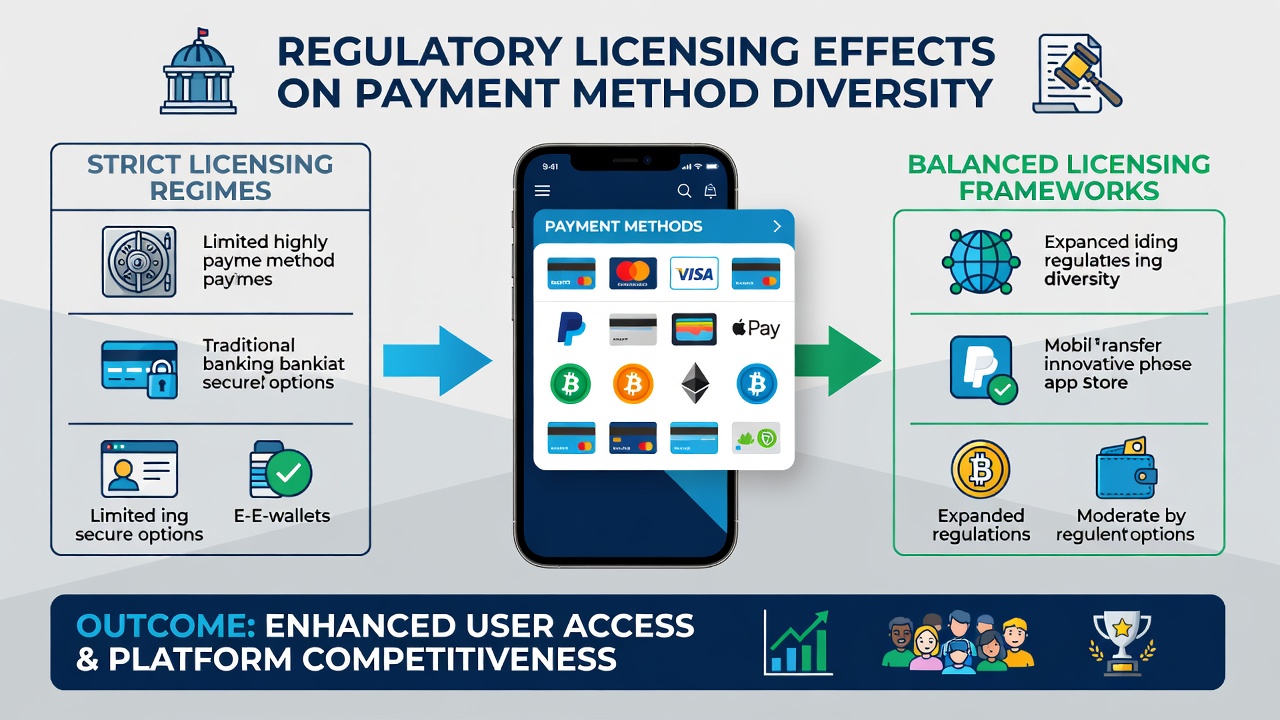
Developers building sports betting mobile applications must align user interface elements with the payment methods permitted under each active license. This alignment affects menu design, verification flows, and transaction confirmation screens. Platforms operating under restrictive licenses often display fewer options and longer verification steps, while those under more permissive regimes can present streamlined choices that include instant bank transfers and digital currencies. Technical teams track these constraints through internal compliance dashboards that flag when a new method would violate any license condition.
Case examples from operators active in both U.S. and international markets illustrate the practical effects. One company expanded its licensed footprint into additional states during 2026 and subsequently removed several e-wallet options from its mobile apps to satisfy new state-level processor approval rules. Another operator that secured a multi-state compact maintained a consistent set of payment methods across those jurisdictions by negotiating unified compliance agreements with processors. These adjustments demonstrate how licensing directly dictates the scope of what reaches end users on their phones.
Trends Observed Through October 2026
Through October 2026, licensing authorities continued to refine payment-related conditions in response to evolving transaction technologies. Several U.S. states introduced updated guidelines around real-time bank verification services, prompting platforms to add or remove specific providers depending on license renewals. In parallel, regulators in select Canadian and European markets signaled openness to additional digital asset channels under enhanced monitoring protocols. Industry associations such as the American Gaming Association have published summaries showing gradual increases in approved methods within jurisdictions that harmonize rules across borders.
These developments produce ongoing shifts in the number and type of payment options displayed within sports betting mobile platforms. Operators monitor license applications and renewals closely because each change can expand or contract available methods. Research institutions tracking these patterns report that platforms with diversified license portfolios experience less disruption when individual jurisdictions update their rules.
Conclusion
Licensing frameworks establish the boundaries within which payment method diversity develops on sports betting mobile platforms. Differences in approval processes, security requirements, and jurisdictional scope create measurable variations in the options presented to users. Data collected through October 2026 confirms that multi-license operators generally sustain broader payment selections, while single-jurisdiction licensees face tighter constraints. Continued regulatory updates will likely maintain these dynamics as new transaction technologies emerge and licensing bodies adjust their standards accordingly.